
Do Electrolytes Break a Fast? Here’s What Actually Matters
Amanda & Ashley RosenbergShare

Fasting can be confusing. Some people say only water is allowed, others sip black coffee and tea, and some swear by their electrolyte drink. It’s no wonder one of the most common questions we get asked is whether electrolytes break a fast.
The simple answer is no; in most fasting scenarios, electrolytes on their own do not break a fast. They do not contain calories, do not raise blood sugar, and do not stimulate an insulin response, which means they do not “feed” your body in the way carbs, fats, or protein do.
Instead, they support the systems that keep you hydrated and functioning while you are not eating.
The more nuanced answer lies in what else is in your electrolyte drink of choice.
What actually breaks a fast?
To answer whether something breaks a fast, it helps to be clear on what you are trying to accomplish:
- If your main goal is weight loss or metabolic health, you are primarily concerned with calories, blood sugar, and insulin.
- If your goal is autophagy and cellular repair, you are looking to minimize anything that might mimic nutrient intake.
Electrolytes themselves (e.g., sodium, potassium, and magnesium) are not metabolized for energy and do not provide calories. They act as conductors for electrical signals, help maintain fluid balance, and support nerve and muscle function, but they are not fuel.
Here is where things get tricky… not all electrolyte products are created equal.
Many electrolyte drinks and powders are formulated more like sports drinks than fasting tools.
They may contain:
- Added sugars or maltodextrin
- Fruit juice powders
- Amino acids or performance blends
- “Energy” ingredients like MCTs or carbs
These formulas are designed for fueling workouts and recovery, not for fasting. The calories and carbs they provide can raise blood sugar and insulin, which technically does break a fast in the metabolic sense.
Even some “zero sugar” options are not as simple as they look.
They might include sugar alcohols or flavor systems and fillers that some strict fasters prefer to avoid. Whether those count as breaking a fast depends on how strict your personal rules are. Many people find that small amounts of non‑caloric sweeteners do not meaningfully impact their progress. Others choose to skip them to keep their fasting window as “clean” as possible.
What about strict autophagy or “water‑only” fasts?
If you are doing a very strict fast purely for autophagy, longevity, or religious reasons, your standard may be higher. Some people in this camp avoid anything with taste.
There is currently no evidence that calorie‑free minerals like sodium or magnesium shut down autophagy the way actual nutrients do. Still, if your protocol specifies “water only,” you have to do just that. Ultimately, this comes down to your goals and how conservative you want to be.
How to choose a fast‑friendly electrolyte mix
If you want electrolytes that support your fast instead of sabotaging it, look for:
- Zero calories and zero sugar
- No added carbs (maltodextrin, dextrose, etc.)
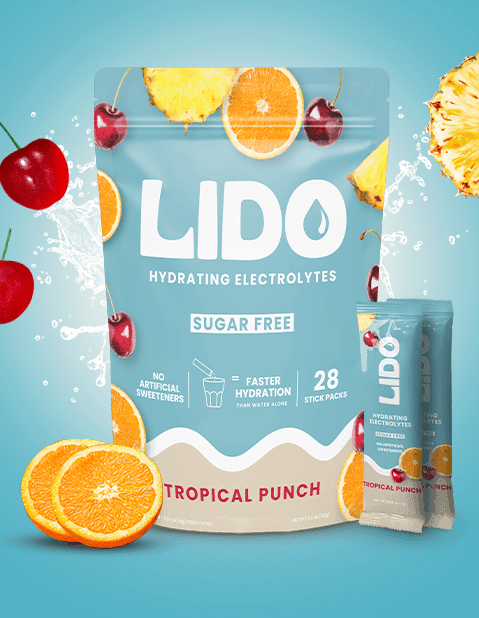
- Simple, transparent ingredients: sodium, potassium, magnesium, maybe natural flavor
- A formula that fits with keto, low‑carb, paleo, or other common fasting‑friendly ways of eating
This type of product helps you stay hydrated, supports nerve and muscle function, and can reduce many of the symptoms people blame on “fasting” (fatigue, headaches, dizziness) that are actually linked to low electrolytes.
So… do electrolytes break a fast or not?
For most people, the answer is:
- No, pure electrolytes do not break a fast.
- Yes, sugary or calorie‑containing electrolyte drinks can.
Think of electrolytes as a support tool that makes fasting safer and more sustainable, not a shortcut or loophole. Paired with an otherwise clean fasting window, they can help you feel better, stick with your plan, and get more from your efforts. If you want to learn more, check out this post.