Feeling nauseous after drinking water might mean you have an electrolyte imbalance. Here’s what that means (& how to fix it)…
Amanda & Ashley Rosenberg
Share
Drinking more water is not always better. In certain situations, especially when sweating heavily, exercising a lot, or drinking massive amounts of plain water, your fluid intake can outpace your body’s ability to keep electrolytes balanced. That imbalance can cause nausea.
Electrolytes like sodium, potassium, and magnesium help regulate fluid balance, nerve impulses, and muscle function. When you drink very large volumes of water without replacing electrolytes, the concentration of sodium in your blood can drop. This dilution, often called hyponatremia when serious, can lead to nausea, headache, confusion, and, in severe cases, dangerous complications.
Milder imbalances are much more common and are still very uncomfortable. People often feel bloated, off, or queasy when they are “overhydrated,” especially if their urine is always very clear and they are drinking beyond thirst just to hit a target number of ounces.
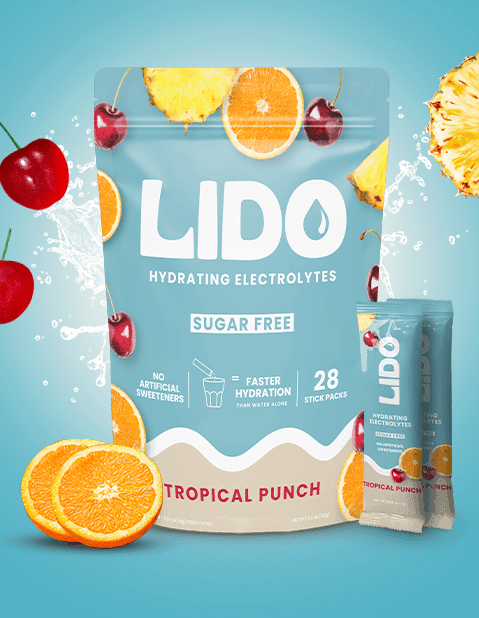
A more balanced strategy is to match your intake to your body’s needs, activity level, and environment. That often means drinking to thirst, paying attention to the color of your urine, and using electrolytes (through food and/or a well‑formulated electrolyte mix) during heavy exercise, hot weather, or long days on your feet.